

We live in a world that moves fast. Messages, deadlines, responsibilities, people… everything demands attention right now. And if we don’t handle it well to stay calm, stress starts to take over — affecting our mind, sleep, focus, and even relationships.
But staying calm doesn’t mean escaping life or running away from responsibilities. It means building a steady mind that stays peaceful even when things get busy.
Here are 7 science-backed habits to help you stay calm, reduce stress, and build a happier, stronger mind.
1. Practice the 4-7-8 calm Breathing Technique
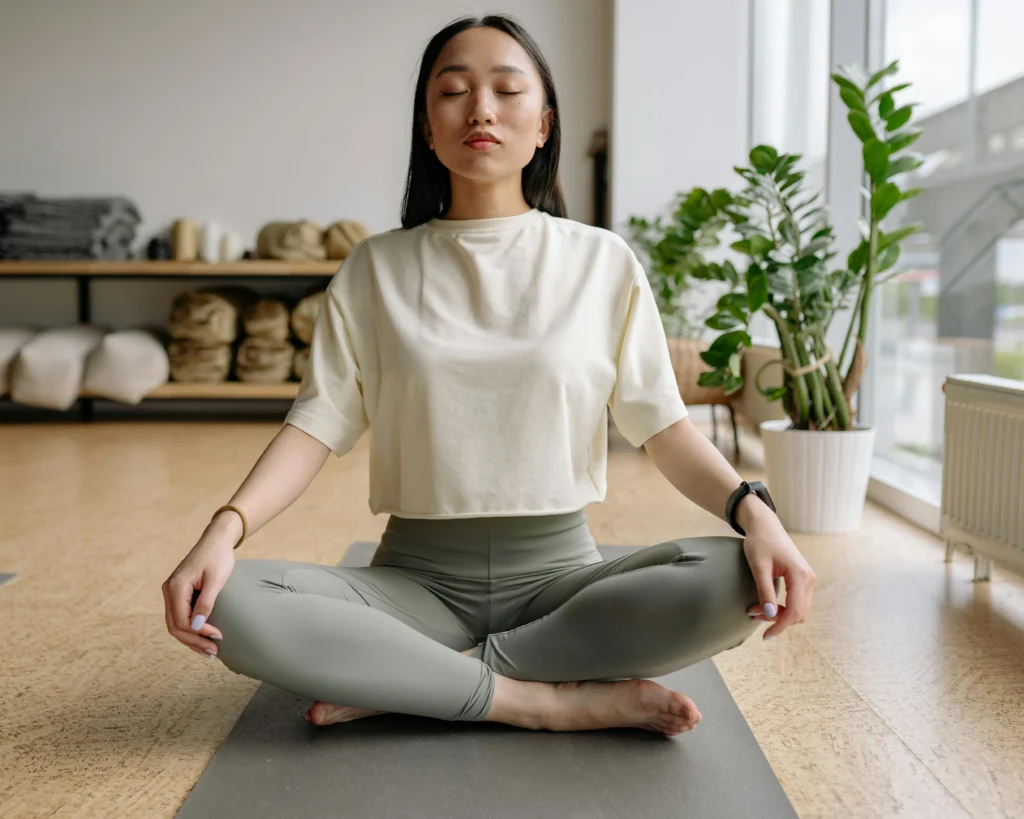
Why it works: It activates the parasympathetic nervous system — your natural “calm mode.”
How to do it:
- Inhale for 4 seconds
- Hold your breath for 7 seconds
- Exhale slowly for 8 seconds
Repeat 4–6 times.
This simple breath cycle can:
- Slow your heart rate
- Reduce anxiety within minutes
- Help you think clearly again
Tip: Do this before work, before sleep, or anytime you feel overwhelmed.
2. Reduce “Micro-Stressors” You Don’t Notice

Everyone talks about big stress, but most anxiety is caused by small repeated stress triggers:
- Constant notifications
- Background noise
- Cluttered desk
- Crowded home screen
- Too many tabs open
These things overload your brain.
Try this mini-reset:
- Put your phone on Do Not Disturb for 60 minutes
- Close all tabs except what you’re working on
- Clear only the visible area of your desk
Small changes. Big mental clarity. keeping calm.
3. Try “Scent-Based Mood Shifting” (Aromatherapy)

Certain natural scents can instantly calm your brain and reduce cortisol.
Best calming scents:
- Lavender (relaxation)
- Chamomile (peace)
- Sandalwood (emotional grounding)
- Eucalyptus (breathing clarity)
You can use a diffuser, roll-on oil, or pillow spray.
👉 Recommended: Calming Essential Oil Roll-Ons
(Affiliate idea: Place product link here with soft CTA: “You can check the calming roll-on I use here.”)
4. Practice “Single-Tasking” Instead of Multi-Tasking

Multi-tasking feels productive… but it actually stresses the brain and reduces focus by 40%.
Single-tasking formula:
- Work on one thing for 25 minutes (Pomodoro rule)
- Take a 5-minute break
- Repeat
Your mind feels lighter, more focused, and more peaceful.
5. Spend 15 Minutes in Nature Without Your Phone

This is called Eco-Mindfulness, and it’s scientifically proven to:
- Lower blood pressure
- Reduce anxiety
- Clear mental fog
- Boost creativity
Sit under a tree, walk barefoot on grass, or simply watch the sky.
No music. No scrolling.
Just you + nature.
Your nervous system will thank you.
6. Journal to Release Your “Mental Load”

Your brain gets stressed when it holds too many thoughts at once.
Try the 3-Minute “Unload” Journaling Method:
Write down:
- What you’re feeling
- Why do you think you’re feeling it
- What you can do next
This helps your brain stop overthinking.
If you struggle with journaling, use simple prompts like:
- “What is one thing stressing me today?”
- “What can I let go of right now?”
7. Use Guided Meditation Apps (for Real Results)
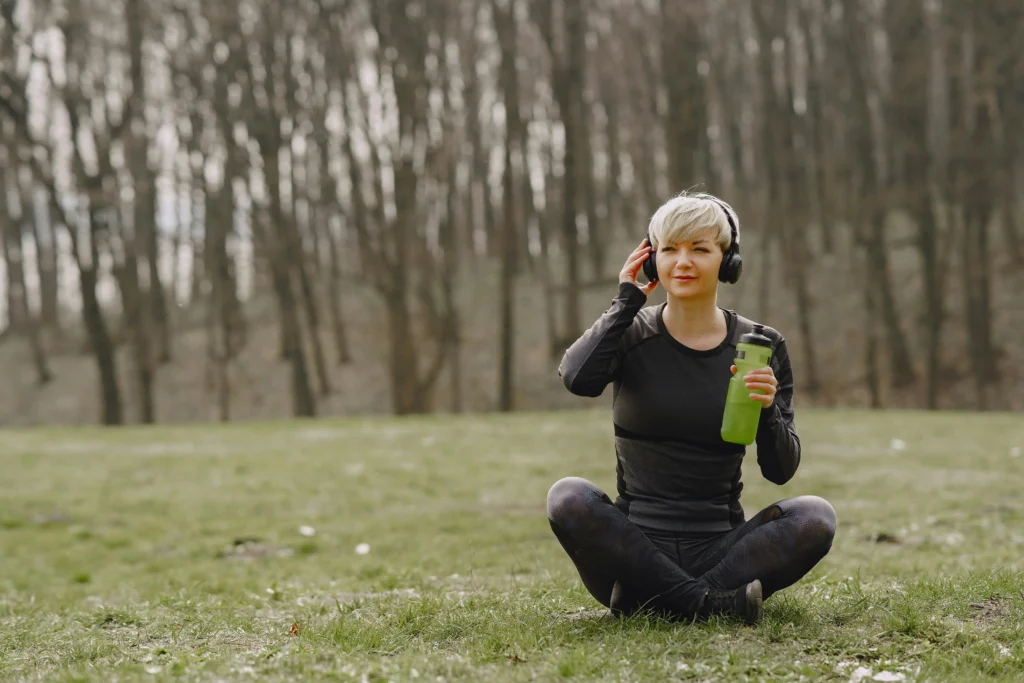
If meditation feels hard, then you’re not alone.
But guided meditation makes it easy and enjoyable.
Apps like:
offer:
- 3-minute calming sessions
- Sleep stories
- Breathing lessons
- Stress relief for work
👉 Affiliate Tip: “If you’re new to meditation, try Calm — they have a free 7-day beginner program that makes it easy to start.” (Insert affiliate link.)
Even 3 minutes a day can change your mood and emotional stability.
Final Thoughts
Staying calm in a fast-moving world isn’t about stopping the world.
It’s about building inner strength, balance, and mental awareness.
Just start with one habit today:
- Take a calming breath.
- Declutter your desk.
- Step outside for 10 minutes.
- Try a calming scent.
- Play a guided meditation before bed.
Small steps → Big changes.
You’ve got this for keeping your mind calm 🌿
Your mind deserves peace.
Before You Go — Try This
Which habit from this list feels easiest for you today?
Comment or write it down — even acknowledging your starting point builds awareness.